
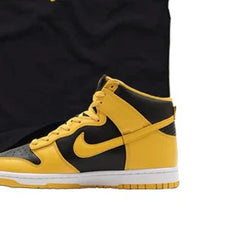
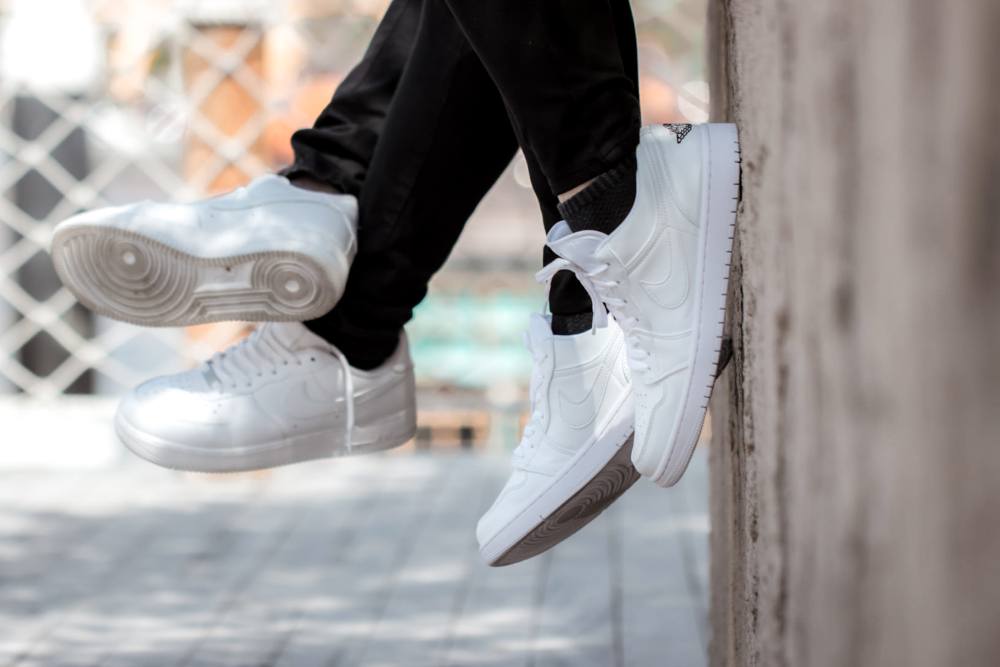
Nike Dunk Vs. SB Dunk: What Sets Them Apart?
If you have been in sneaker culture for a minute, you know this debate comes up constantly. Someone pulls up in a fresh pair, and you squint, trying to figure out whether that is a regular Dunk or an SB. At first glance, they look almost identical. Same silhouette, same DNA, same swoosh.
Once you know what to look for, the differences become pretty obvious. Here at illCurrency, we live and breathe sneaker culture, so we wanted to break this down properly. The Nike Dunk vs SB Dunk conversation is worth having, especially when your whole fit depends on knowing exactly what is on your feet.
Nike Dunk vs SB Dunk: Where It All Started
To get into the differences, you have to go back to where these two silhouettes came from because they were born for completely different reasons.
The Nike Dunk dropped in 1985 as a basketball shoe. Nike launched it alongside the "Be True to Your School" pack, tying different colorways to college programs like Kentucky, Michigan, Syracuse, and Iowa. The idea was to give college hoops teams a shoe that matched their colors on court.
Performance basketball tech moved on through the late '80s and into the '90s. The Dunk got left behind on the hardwood. Skaters picked it up instead. It was affordable, the sole had serious grip, and the leather construction could take a beating. Skaters were rocking Dunks before Nike even realized what was happening.
Nike eventually caught on. After a couple of failed attempts to crack the skate market, Sandy Bodecker took over as General Manager of Nike SB and officially launched the line in 2002.
The SB Dunk Low Pro became the flagship. The skate community went all in on it, partly because Nike brought in respected skate shops like Supreme and actual pro skaters to shape the line's identity.
From there, two versions of the same shoe existed. One for the court and one for the streets and skate parks.
Breaking Down the Differences Between the Nike Dunk and SB Dunk
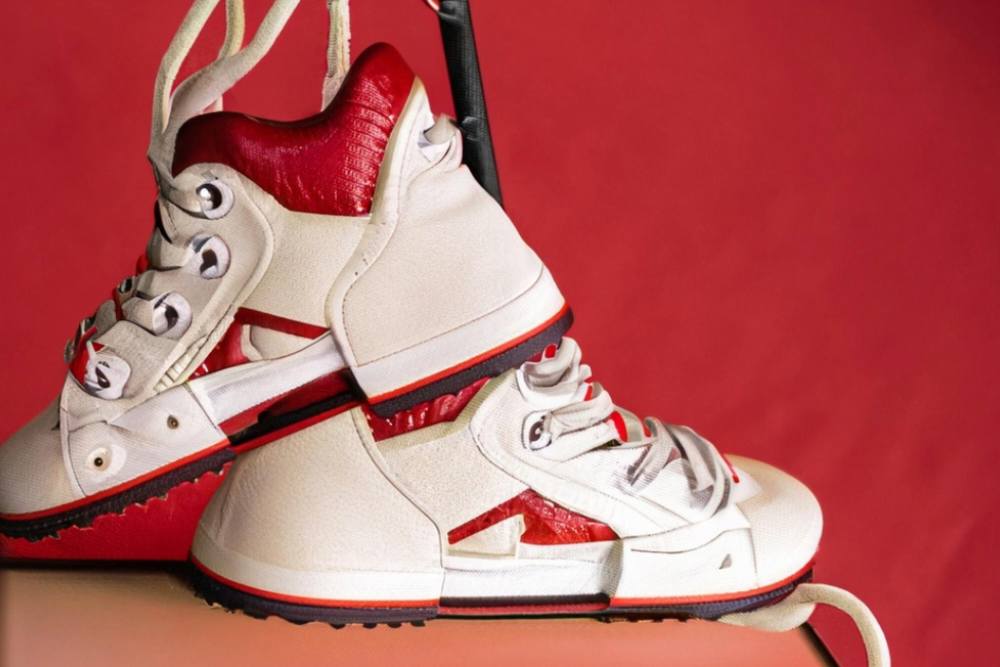
Pull both pairs out of the box side by side, and the silhouette looks nearly the same. The details, though, tell a different story.
The Tongue
This is the one people notice first. The regular Nike Dunk features a slim, clean, flat mesh or nylon tongue, just like the original basketball design. The SB Dunk flips that completely. The SB tongue is thick, padded, and plush. Skaters call it the "fat tongue."
It is designed to protect the top of your foot from board impact and to mold to your foot over time for a better fit. Underneath the tongue on the SB, there are elastic straps that lock everything down and let you keep your laces as loose as you want without the shoe going anywhere.
The Laces
Regular Dunks come with flat laces, standard, and classic. SB Dunks use thick, oval, puffy laces. The reasoning is purely functional. Flat laces fray fast when rubbing against the grip tape constantly. The rounded SB laces handle abuse a lot longer without falling apart.
The Cushioning
This is where the SB version pulls ahead in comfort technology:
- Regular Dunk: basic EVA foam insole, minimal cushioning, similar to what you would expect from a late '80s basketball shoe
- SB Dunk: Zoom Air unit in the heel combined with Poron foam at the forefoot, a dense and responsive urethane foam that absorbs impact and bounces back
Landing a trick and landing on a basketball court are two different kinds of impact. The SB cushioning setup was designed with skaters in mind.
The Outsole
Both versions have a solid grip but achieve it differently:
- Regular Dunk: Court traction pattern, the same concentric ring setup found on the Air Jordan 1, sticky and reliable on hardwood
- SB Dunk: The rings are increased in number and made thinner, creating more flexibility between them and a better grip on the skate deck tape
The Silhouette and Fit
The SB Dunk sits slightly chunkier overall. The ankle area has more padding, and the whole shoe has a fuller look compared to the regular Dunks' slimmer profile. When you are doing kickflips and ollies, that extra ankle coverage matters.
Fit-wise, both run true to size, but the SB tends to feel more snug out of the box due to all that extra padding. Regular Dunks feel a little roomier. SB Dunks are worth breaking in before you commit to a full day of wear.
Materials
Both lines use leather and suede as their foundation. Nike tends to go more experimental with SB releases, though. Over the years, SB colorways have come out in canvas, pony hair, fleece, and all kinds of premium and unexpected materials. The regular Dunk sticks to more traditional builds, though collabs have pushed the material choices there too.
The Collab Culture Behind Both Silhouettes
This is where the SB Dunk built a reputation that took on a life of its own. When Nike SB first launched, the collabs they dropped were unlike anything the sneaker world had seen. Concepts, HUF, Supreme, Run The Jewels, Born x Raised, Jarritos, and pro skaters like Yuto Horigome all put their stamp on the SB Dunk and turned it into a grail-level shoe.
Some of those early 2000s releases caused actual chaos at release events. Resale on certain pairs went completely off the charts. The SB Dunk became the shoe that proved a collab could transcend its original purpose and turn into a full-blown cultural artifact.
The regular Dunk's collab scene took longer to build but caught massive momentum post-pandemic. Dunks became the go-to silhouette for a stretch, and Nike flooded the market with colorways and partnerships to match the demand. Some of that hype has settled since then, but the Dunk collab lane is still very much alive.
Sizing and What to Expect On Foot
Here is a practical breakdown if you are shopping for either pair:
- Regular Dunk Low: fits true to size, tends to feel roomy, especially in the toe box; newer releases can run a bit stiff out of the box
- SB Dunk Low: fits true to size but feels snug because of the thick tongue and ankle padding, worth breaking in before extended wear
- SB Dunk High: generally feels a bit roomier than the low version internally, though stiffer materials on newer releases can offset that
- Wide feet or in between sizes: the regular Dunk Low is the more forgiving option, the SB Low delivers a more structured feel
Older SB releases used softer padding and more pliable materials, so they broke in faster. Newer pairs use sturdier materials meant to handle skating wear, which takes a bit longer to feel fully lived in.
Drip First, Details Second: Matching Your Dunks the Right Way
Knowing the technical differences between the Nike Dunk and SB Dunk matters, but so does how your whole fit comes together. No matter if you are lacing up a Nike Dunk Low in a clean colorway or flexing a hard-to-cop SB collab, the tee you pair it with is part of the statement.
At illCurrency, we design matching tees specifically built around sneaker colorways, Dunks included. We know how much effort goes into tracking down the right pair, and we think the fit around it deserves the same attention.
Our tees are made in the USA with DTG printing, so the colors hold up and the details stay sharp. Browse our Nike Dunk matching collection and find a tee that keeps up with your kicks.
Know Your Dunks, Build Your Fit
At the end of the day, the Nike Dunk and SB Dunk share the same bones but serve different purposes. The regular Dunk is the classic, a clean silhouette with court heritage and a canvas that has been remixed thousands of times.
The SB Dunk is the same shoe with skate-specific upgrades, including better cushioning, tougher laces, a thicker tongue, and an outsole tuned for grip tape rather than hardwood.
Neither one is better than the other. They land in sneaker culture for their own reasons. Knowing the difference just means you know what you are buying and what you are building your fit around. If you want help finding the perfect tee to match your Dunks, reach out to us, and we will point you in the right direction.