Your Cart is Empty


 Verified Buyer
Knowing how to identify good quality shoes changes the way you approach footwear. It is not about chasing price tags or trends. It is about understanding how a shoe is built and whether it will actually hold up over time. A well-made pair supports your movement, keeps its structure, and stays comfortable after repeated wear.
Sneaker culture has made people more aware of design, but quality often gets overlooked. Whether you are wearing something from Nike, a retro silhouette, or an everyday pair, the same fundamentals apply. If the construction is weak, the shoe will not last, no matter how good it looks.
Start With the Sole Construction
The sole is where most wear happens, so it needs to be solid. Look closely at how it is attached to the upper. You should not see excess glue around the edges. That usually indicates rushed manufacturing.
Press down lightly. A good sole should feel firm but responsive. It should not collapse or feel overly stiff. Flexibility matters, but so does structure. If the sole does not return to shape after pressure, it will break down faster.
Some pairs use stitched soles, which can improve durability when done correctly. The stitching should be clean and evenly spaced.
Check the Upper Material Carefully
Material quality defines how a shoe ages. Good materials soften and adapt. Poor materials crack, peel, or lose shape.
If the shoe uses leather, press gently into the surface. It should bounce back without leaving deep marks. Low-quality materials tend to crease sharply and stay that way.
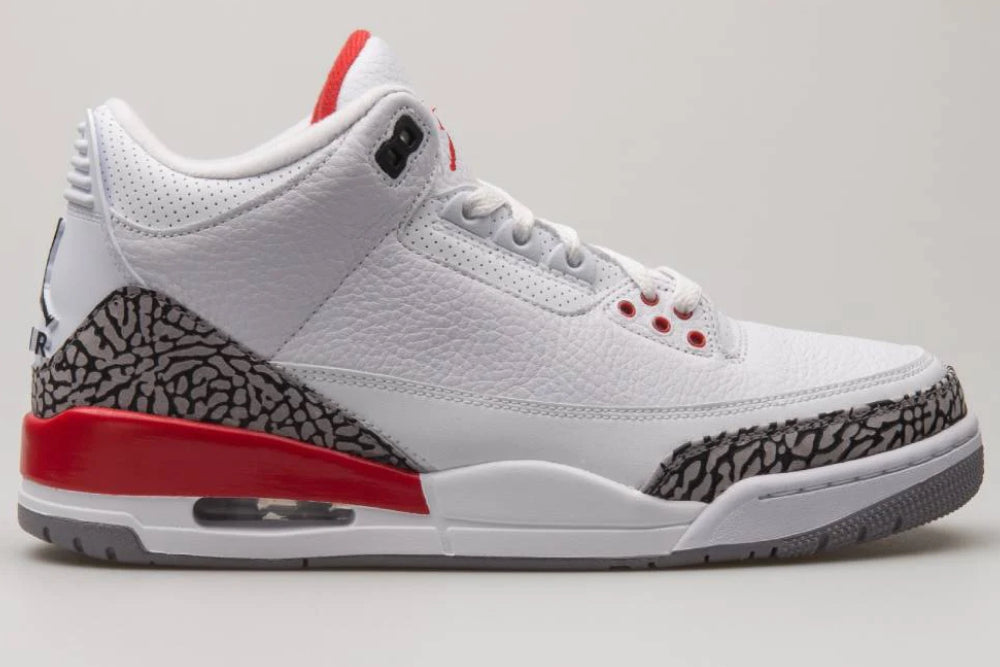
This becomes more obvious with models like the Jordan 1, where material differences are easy to spot after a few wears. Higher quality builds develop character over time instead of looking worn out.
Consistency is another factor. The color and texture should remain even across the entire upper.
Evaluate the Stitching and Finishing
Stitching holds everything together. It should be tight, straight, and consistent. Loose threads or uneven lines are clear signs of poor construction.
Run your finger across the seams. You should not feel rough edges or loose stitching. Clean finishing means the shoe was built with attention to detail.
Some stitching is decorative, but functional stitching should not move or separate when touched. It should feel secure and slightly firm.
Inspect the Inner Sole and Comfort Layer
Comfort comes from the inside. The inner sole should have enough padding to support daily wear.
Press into the footbed. You should feel cushioning, not a flat base. Shoes with poor inner construction often cause discomfort after extended use.
The lining should be smooth and complete. There should be no exposed materials or uneven surfaces. This helps prevent irritation and extends the life of the shoe.
A properly secured inner sole should not lift easily. If it does, it is a sign of weak construction.
Test Flexibility the Right Way
A good shoe should move naturally with your foot. Lightly flex it at the front. It should bend where your foot bends, not in random areas.
Do not force it. You are checking natural movement, not durability under stress. If it feels too rigid, it will be uncomfortable. If it bends too easily, it may lose structure.
Side flexibility also matters. The shoe should adjust slightly as your foot expands during the day.
Pay Attention to Heel Structure
The heel plays a key role in stability, and it should feel firm the moment you hold the shoe. Apply light pressure and check for any movement. A solid heel should not shift or feel loose in your hand.
If there is even slight instability, it will show up quickly during wear. You may notice discomfort, poor balance, or uneven wear patterns over time. These issues usually start at the heel and affect the entire structure of the shoe.
A well-built heel keeps everything aligned. It supports natural movement and helps the shoe maintain its shape through regular use.
Look Inside the Toe Area
The toe box takes constant pressure, so it needs proper support. Inside the shoe, the lining should extend fully into the toe area without gaps or exposed materials. A clean, complete lining improves comfort and prevents irritation during wear. It also helps the shoe maintain its shape over time.
On the outside, the toe should feel structured when pressed. If it collapses too easily, the shoe will lose form quickly and show wear much sooner than expected.
Understand Price Versus Value
Price does not always reflect quality. Many shoes are expensive because of branding, not construction. Instead of focusing only on cost, consider how often you will actually wear the pair.
A well-made shoe that holds up over time usually delivers better value than something cheaper that needs replacing quickly. This applies whether you are looking at lifestyle pairs from Adidas or everyday sneakers from other brands.
Durability and comfort should always come first. Cost per wear gives a clearer picture of what you are really paying for in the long run.
Why Construction Matters More than Hype
Hype fades quickly if the shoe does not hold up. Construction is what keeps a pair in your rotation.
Details like material quality, stitching, and structure determine how the shoe performs over time. When those elements are right, the shoe stays comfortable and looks better with wear.
A strong build supports your overall style. It keeps your outfits consistent without needing constant replacement.
Where Your Outfit Matches the Standard
Once you start paying attention to quality, it changes how you build every outfit. Your sneakers set the tone, and everything else should support that same level of detail and consistency.
That is exactly how we design at illCurrency. Every piece is made to match the colors, structure, and overall feel of your sneakers, so you are not second-guessing your outfit.
If you want your fits to come together without the guesswork, start with pieces that are built to match your rotation.
Explore the latest drops and put together outfits that actually make sense from top to bottom.