
5 Different Types Of Streetwear Style Explained
Streetwear is one of those things people think they know until someone asks them to explain it. It started on the streets, literally, pulled together from hip hop block parties in the Bronx, skate parks in California, and youth subcultures that had no interest in what the fashion industry was telling them to wear.
Decades later, it has grown into a global movement with multiple lanes, each with its own aesthetic, rules, and loyal following. At illCurrency, we are in this culture every day, designing t-shirts that match the sneakers people care about. So we figured it was worth breaking down the types of streetwear styles properly, because there is a lot more to this world than hoodies and hype.
Types of Streetwear Styles: A Culture With Many Faces
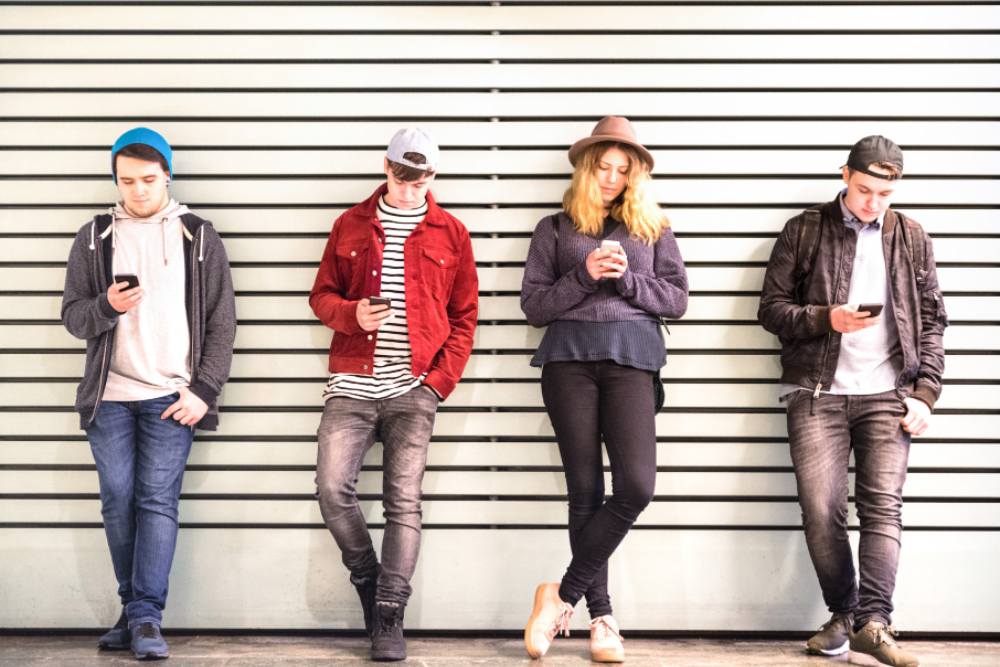
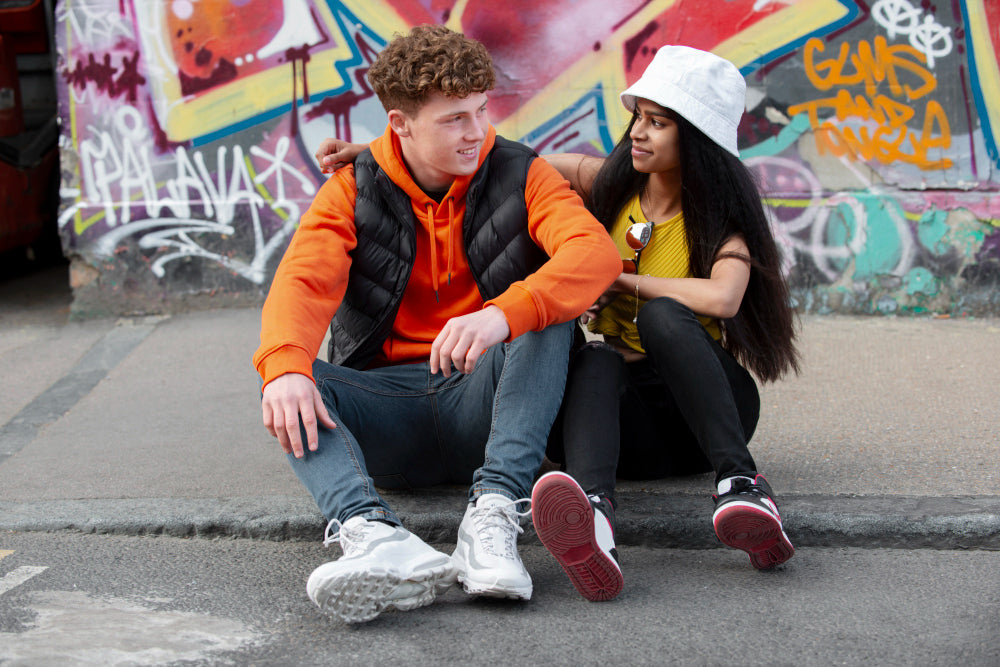
Streetwear does not belong to one look or one city. It grew from several subcultures at once and absorbed influences from music, sport, art, and even luxury fashion along the way. The thread connecting all of it is the same: comfort, self-expression, and a certain attitude that does not ask for permission.
Here is a look at the five distinct types, where they came from, and what they look like today.
1. Hip Hop Streetwear
This is where it all started. Hip-hop streetwear was born in New York City in the 1970s, specifically in the South Bronx. Block parties, breakdancing, and graffiti art were already building a culture that the mainstream had yet to notice.
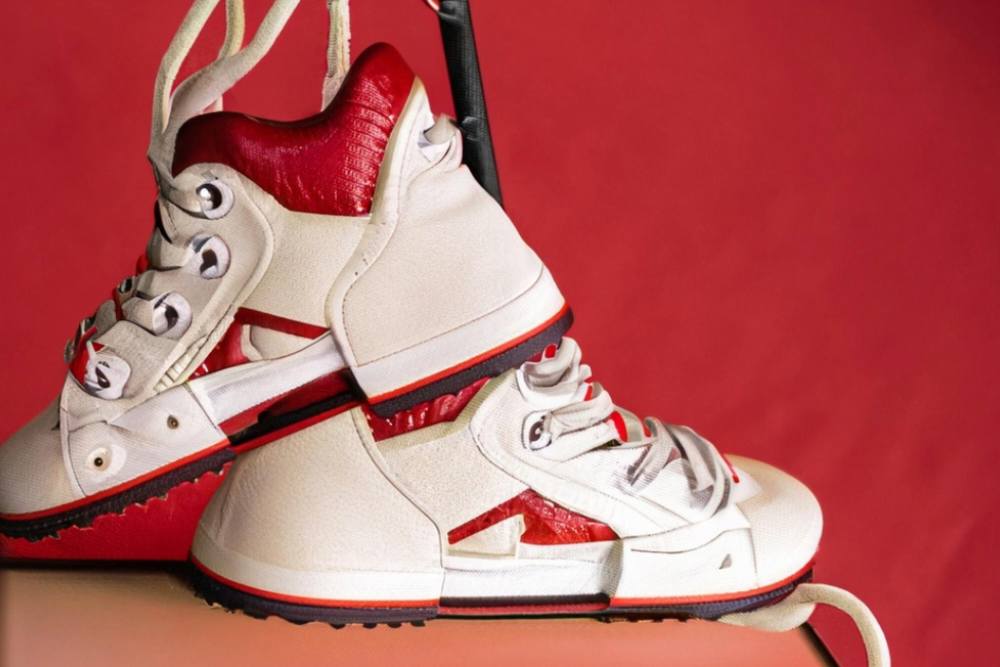
The early look was practical. Tracksuits, bomber jackets, oversized laces on Puma and Pro-Keds sneakers, Kangol hats. Run DMC formalized the aesthetic in the '80s with Adidas shell toes worn laceless, denim, and leather. LL Cool J brought bucket hats and gold chains into the equation. The jewelry was not just decorative. Heavy gold chains were symbols of status and cultural pride.
By the '90s, it had evolved into what people called "ghetto fabulous." Tommy Hilfiger, Polo Ralph Lauren, FUBU, Rocawear, and Sean John all had a moment. Baggy jeans, oversized tees, Timberland boots, and snapbacks were the uniform. Tupac, Biggie, TLC, and Aaliyah took it global through music videos and film.
Today, the lane has expanded again. Artists like Travis Scott, Tyler, the Creator, and A$AP Rocky are pushing it into luxury territory, mixing designer pieces with streetwear staples without losing the attitude underneath.
2. Skate Streetwear
California skate culture gave streetwear its laid-back, no-rules attitude. When surfers needed something to do between waves, they invented skateboarding, and the clothing that came with it was built around function and freedom.
Brands like Stussy, Supreme, Vans, and Thrasher came out of this world. The aesthetic is casual, a little gritty, and heavy on graphic tees and baseball caps. Humor and pop culture references show up in the graphics. The vibe is a perpetual Californian summer regardless of the season.
In warmer months: wide-leg shorts, graphic tees, baseball caps, low-top Vans. When it gets colder: flannels, beanies, hoodies, baggy cargo pants. The shoes are almost always Vans or something with a flat, grippy sole. Authenticity over everything, and the moment something gets too polished, it stops feeling like skate culture.
3. Techwear
Techwear is streetwear that looks like it belongs in a sci-fi film. It takes the functionality of military and outdoor clothing, cargo pants, technical vests, GORE-TEX jackets, and wraps it in a sleek, monochromatic aesthetic that feels deliberately futuristic.
Black and grey dominate, and utility pockets are everywhere. The fabrics are premium and technical. Brands like Stone Island lead this category, and the price point reflects the materials. Techwear tends to be the most expensive lane within streetwear because the engineering behind the garments is legitimately advanced.
4. High Fashion Streetwear
This is where streetwear met the runway, and neither one was quite the same afterward. High fashion streetwear is built on collabs, limited drops, and pieces that blur the line between casual clothing and art.
Supreme x Louis Vuitton. Virgil Abloh's Off-White. Pharrell x Adidas. These were not just product releases. They were cultural events. Oversized coats, designer sneakers, statement accessories, and premium fabrics worn as everyday clothes. The exclusivity is the point. Limited production, long queues, and serious resale value.
This lane appeals to people who treat fashion as a form of creative expression. The price tags can get extreme, but the influence of high-fashion streetwear has spread across every other subgenre.
5. Athleisure
Athleisure sits at the intersection of athletic wear and everyday style. Joggers, track jackets, basketball shorts, performance tees, and training sneakers are worn outside of any athletic context. The movement and flexibility built into the clothing is what make it work.
There is overlap with hip-hop streetwear here, but athleisure leans more toward fitness. Nike Tech Fleece, Adidas track pants, and Yeezy season silhouettes all fit this lane. Comfort is the foundation, and the styling does the rest.
Pairing a clean track jacket with the right sweatshirts or layering pieces in matching tones is very much part of how this aesthetic comes together.
Your Style, Your Fit
Streetwear has never been a single thing, and it has never asked anyone to pick just one lane. The people who pull off the best fits tend to move between these styles, borrowing from different influences and making something personal out of it.
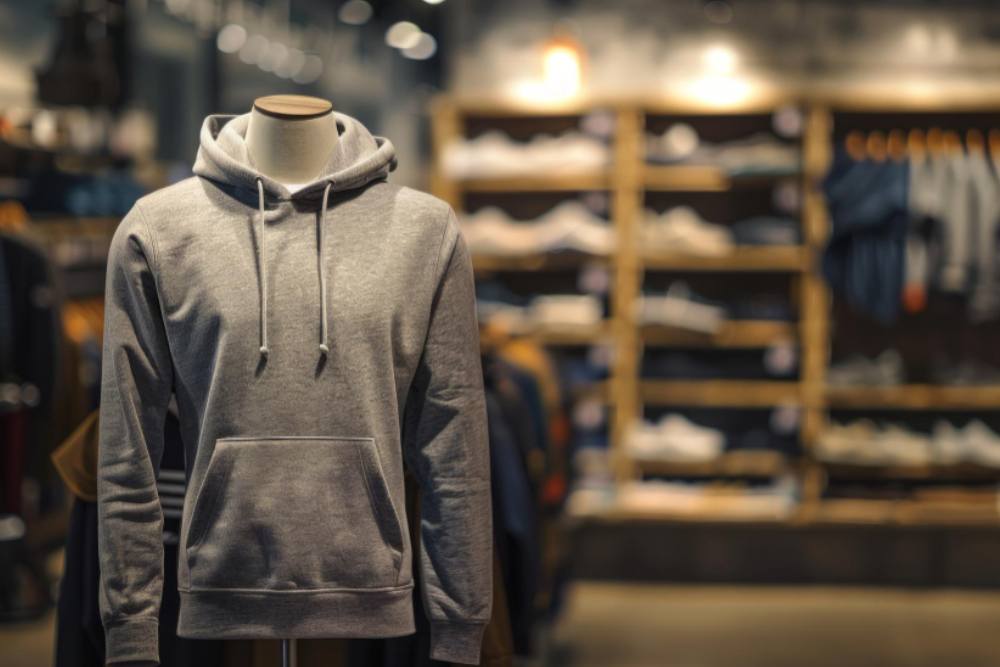
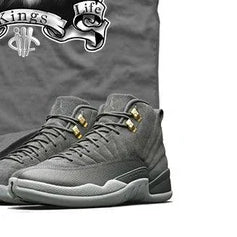
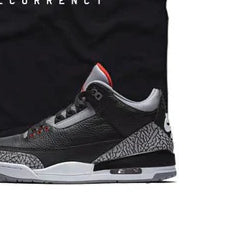
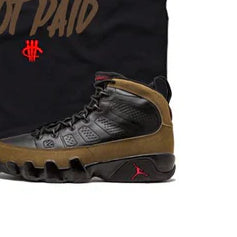
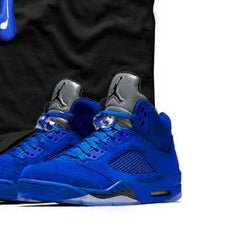
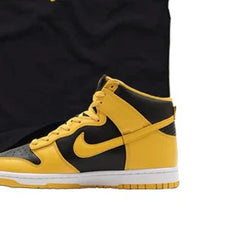
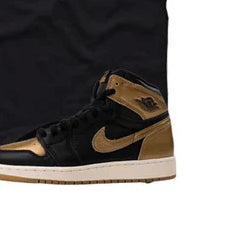
The one piece that shows up across almost all styles is the graphic tee. It anchors hip hop fits, skate looks, OG throwback outfits, and athleisure sets. It also happens to be the piece we care about most at illCurrency. Our hoodies and tees are designed to match the sneakers you already wear, so your whole outfit speaks the same language.
If you want help finding the right match for your next pair, reach out to us.